
Deep Vein Thrombosis (DVT) is a serious medical condition that occurs when a blood clot forms in a deep vein, most commonly in the legs. These clots may restrict or completely stop blood flow through the affected vein, leading to pain, swelling, and potential complications without treatment. One of the greatest dangers of DVT is the risk of a clot traveling to the lungs, which can cause a life-threatening pulmonary embolism.
At Hawaii Vein Institute in Honolulu, HI, Dr. W.Y. Chung, MD, RPhs, DABVLM, offers comprehensive evaluation and support for patients at risk of or recovering from DVT. With more than 23 years of clinical experience and advanced training in venous medicine, Dr. Chung provides patients with expert diagnostic care, education, and treatment planning to reduce complications and promote long-term vascular health.
What Is Deep Vein Thrombosis?
Deep Vein Thrombosis is the formation of a blood clot, or thrombus, within one of the body’s deep veins. It most often affects veins in the lower leg, thigh, or pelvis but may also occur in other areas. Several factors can contribute to DVT, including reduced blood flow, injury to the vein wall, and conditions that increase the tendency for blood to clot.
While some patients may experience noticeable symptoms, others may have no warning signs at all. That is why prompt diagnosis and risk assessment are essential, especially for individuals with known risk factors. Left untreated, DVT can lead to serious complications, including pulmonary embolism and post-thrombotic syndrome.
Common Signs and Symptoms of DVT
Although symptoms can vary, the most common signs of Deep Vein Thrombosis include:
- Swelling in one leg, especially in the calf or thigh
- Pain or tenderness that may feel like cramping or soreness
- Warmth in the affected area
- Skin discoloration, often appearing red or bluish
- Leg fatigue or heaviness
Symptoms usually affect only one leg and may come on suddenly or worsen over time. If you experience sudden shortness of breath, chest pain, or coughing up blood, seek emergency care immediately, as these may be signs of a pulmonary embolism.
Leg discomfort can have many possible causes, but pain accompanied by sudden swelling, warmth, or skin discoloration may warrant prompt medical evaluation.
What Increases the Risk of Deep Vein Thrombosis?
Several conditions and lifestyle factors may increase the risk of developing DVT. These include:
- Prolonged periods of inactivity, such as long flights or bed rest
- Recent surgery or injury, especially to the legs
- Family history of blood clots or clotting disorders
- Obesity or sedentary lifestyle
- Pregnancy or recent childbirth
- Smoking
- Use of hormone therapy or birth control pills
- Chronic venous insufficiency or varicose veins
For patients with a history of venous conditions, including varicose veins or previous clotting episodes, a vein specialist evaluation may help prevent recurrence.
How Is Deep Vein Thrombosis Diagnosed?
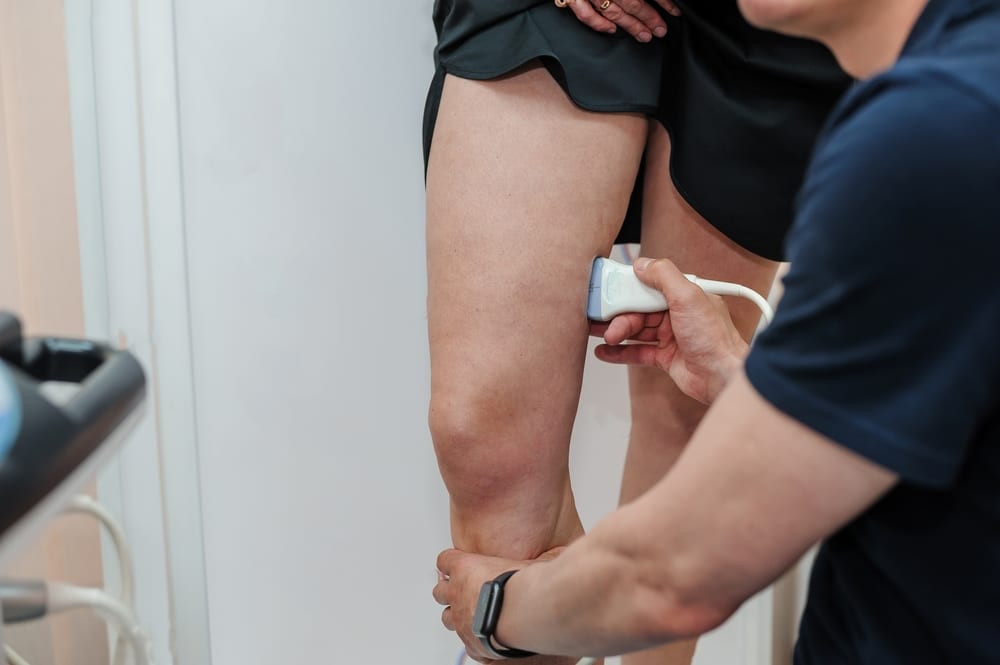
At Hawaii Vein Institute, Dr. Chung uses noninvasive, high-resolution ultrasound imaging to evaluate the deep veins and assess blood flow. This allows for accurate detection of blood clots and areas of compromised circulation. The evaluation is painless, performed in-office, and provides real-time results that guide treatment planning.
In addition to ultrasound, we will thoroughly review your medical history, symptoms, and risk factors. If DVT is confirmed, Dr. Chung will work closely with your primary care physician or referring provider to coordinate appropriate care, including anticoagulant therapy or vascular intervention if needed.
How Is DVT Treated and What Does Recovery Involve?
Treatment for deep vein thrombosis focuses on preventing the clot from becoming larger, reducing the risk of additional clots, and lowering the chance of a pulmonary embolism. Anticoagulant medications, commonly called blood thinners, are often the first treatment recommended. Depending on the clot’s location and severity and the patient’s overall health, additional procedures may be considered.
Recovery continues after the immediate clot has been addressed. Follow-up care may include repeat ultrasound imaging, monitoring the response to medication, and evaluating lingering symptoms such as swelling or discomfort. Patients may also receive individualized guidance about:
- Returning safely to regular physical activity
- Avoiding prolonged periods of inactivity
- Using compression therapy when appropriate
- Managing factors that could contribute to another blood clot
- Recognizing new or worsening symptoms that require medical attention
Some patients experience ongoing symptoms after DVT because the affected vein has sustained damage. Continued vein evaluation can help identify these changes and guide long-term care.
Frequently Asked Questions
Why Choose Hawaii Vein Institute for Deep Vein Thrombosis Evaluation?
Dr. W.Y. Chung is a board-certified vein specialist and a Diplomate of the American Board of Venous and Lymphatic Medicine. With over two decades of experience, he is highly skilled in diagnosing and managing conditions that affect deep and superficial veins. His expertise in vascular imaging and venous pathology makes Hawaii Vein Institute a trusted resource for patients and providers across the island.
Our clinic prioritizes patient safety, timely evaluation, and clear communication. Whether you are concerned about leg swelling, managing long-term risks, or recovering from a recent DVT, Dr. Chung offers the professional care and ongoing support needed to protect your health. Hawaii Vein Institute also works with insurance plans and provides guidance on navigating coverage for diagnostics and treatment.
Protect Your Vein Health in Honolulu, HI
If you are experiencing symptoms of DVT or have risk factors that may affect your vein health, early evaluation can make a life-saving difference. Hawaii Vein Institute offers expert diagnostic care and guidance to help you take control of your vascular health. Call (808) 949-8346 today to schedule your consultation with Dr. W.Y. Chung at Hawaii Vein Institute in Honolulu, HI.