
Choosing the right approach to sclerotherapy can impact both results and comfort. This minimally invasive treatment uses a specialized injection to close damaged veins, helping them fade over time. Knowing the difference between visual and Varithena helps ensure the most effective option for each vein condition.
Dr. W. Y. Chung, MD, RPh, DABVLM, Medical Director of Hawaii Vein Institute, is a board-certified physician with over 23 years of experience in venous, cosmetic, and laser medicine. He is certified by the American Board of Venous & Lymphatic Medicine and the American Board of Emergency Medicine, providing research-based, patient-focused care.
Each technique serves a distinct purpose, and comparing how they work can help clarify the best approach for specific vein concerns.
What Is Sclerotherapy?
Sclerotherapy involves injecting a specialized solution directly into affected veins. This solution irritates the vein lining, causing it to collapse and eventually be reabsorbed by the body. Blood flow is then redirected to healthier veins.
This treatment is commonly recommended for spider veins, smaller varicose veins, and symptoms such as aching, burning, or swelling. The technique used during treatment can vary depending on the size and location of the veins.
Visual Vs. Ultrasound Guided Sclerotherapy
Both visual and Varithena use injections to treat damaged veins, but they differ in technique and ideal use cases.
Visual sclerotherapy focuses on veins that are clearly visible at the surface. A provider identifies these veins by sight and injects a solution using a fine needle. This method is typically used for:
- Small spider veins
- Mild varicose veins
- Cosmetic concerns
Because it does not require imaging, the procedure is straightforward, often completed quickly, and involves minimal downtime.
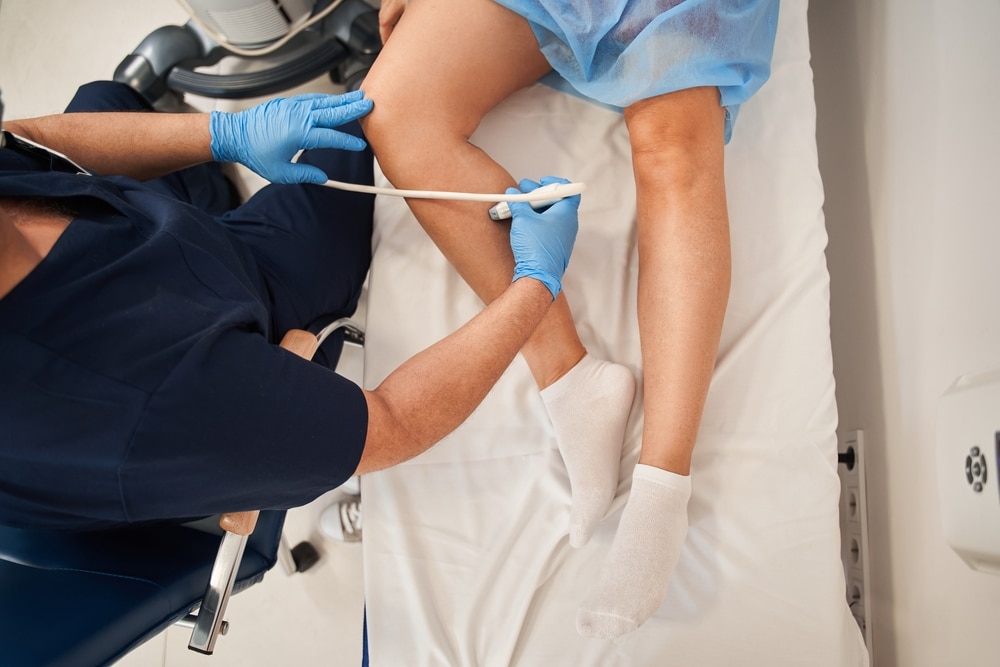
Varithena is used for veins that are deeper beneath the skin and not visible to the eye. Ultrasound imaging helps locate these veins and guide precise treatment. This approach is commonly recommended for:
- Larger varicose veins
- Deeper vein conditions
- Symptoms such as leg pain, heaviness, or swelling
By targeting veins that cannot be seen externally, Varithena provides a more comprehensive solution for complex or advanced vein issues.
Choosing The Right Treatment Approach
The choice between visual and Varithena depends on the severity and location of the vein condition. Smaller, surface-level veins may respond well to visual treatment, while deeper or more complex cases often benefit from ultrasound guidance.
A professional evaluation helps determine the most effective option based on individual symptoms and treatment goals. This ensures that both visible concerns and underlying vein issues are properly addressed.
Effective Vein Treatment In Honolulu, HI
Both visual and Varithena offer targeted approaches that can improve circulation and reduce discomfort.
Those in Honolulu, HI, looking for personalized vein care can contact Hawaii Vein Institute at 808-949-8346 to schedule a consultation and explore the most appropriate treatment option.